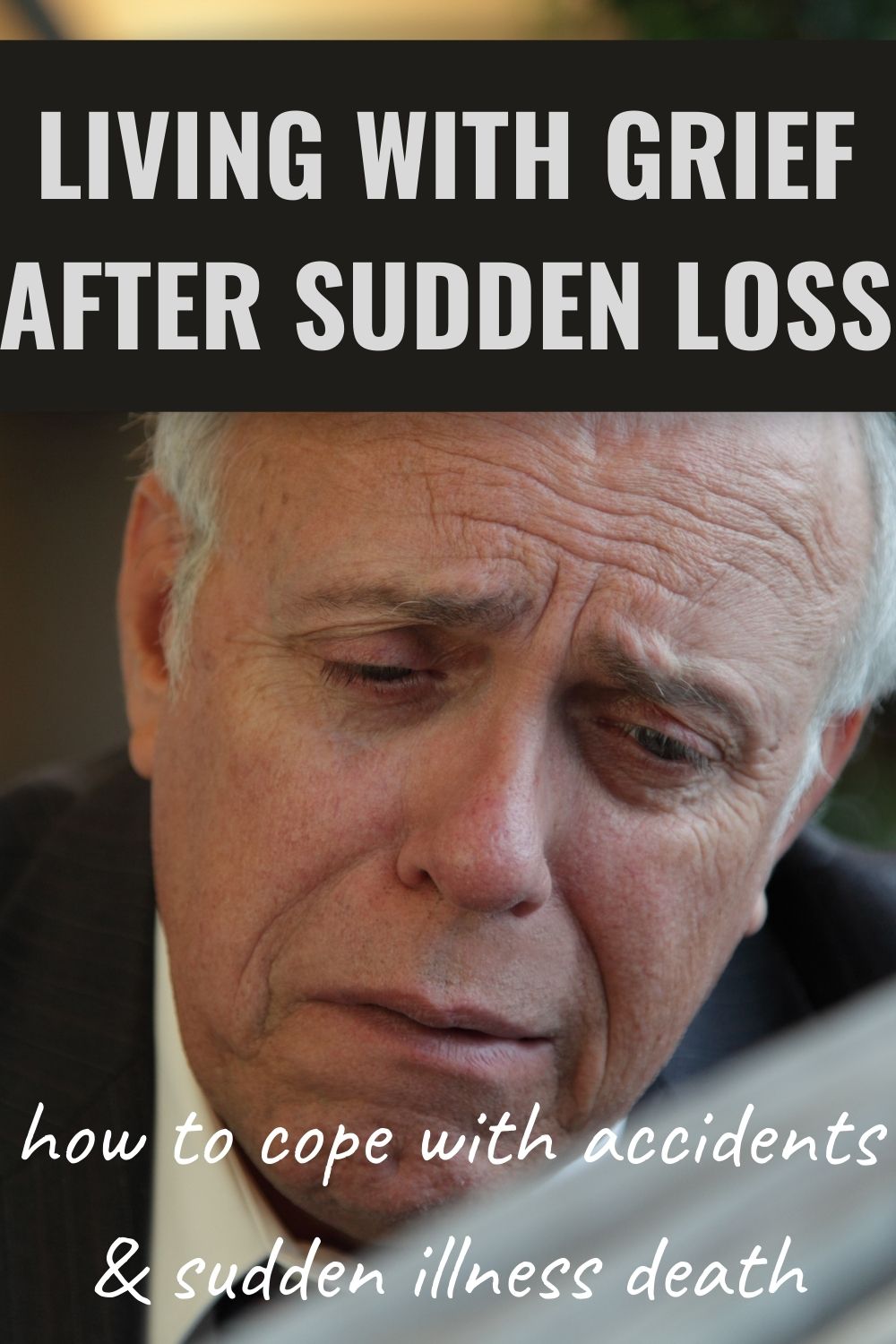
Losing a loved one suddenly, to trauma, an accident, or a sudden deadly illness like a heart attack or stroke, can be devastating. The suddenness of the tragedy can overwhelm you, put you into “shock”. How can you continue living with grief after sudden loss?

Living With Grief After Sudden Loss
You may have a sense of unreality about everything that can last for quite a while. You may feel numb and walk around in a daze upon receiving the bad news.
The reason sudden death losses are usually so hard to grieve is that they drum up some very disturbing and complicated emotions. Among them are:
- Guilt
- Blame
- Regret
- Rage
Emotions After a Sudden Loss
Guilt

As the survivor, you may have strong feelings of guilt; the “if onlys”.
- if only I hadn’t let her go to the party
- if only I hadn’t gone to answer the phone
- if only I had been more strict about his tail-gating
- if only, if only, if only”…
The way out of this sad trap is to do a reality check on yourself. Did you really CAUSE the accident? Maybe if you had done something differently, it may have altered the course of history, and the accident might not have occurred. But the key question is… are you really responsible for the death, or was it a random accident?
Note: If you truly did cause the death, you almost surely will need professional counseling to unravel your feelings and discharge your crushing load of guilt.
Blame

It is human nature in cases of sudden death to attempt to lay blame. It may even be a way of expressing guilt, even if unfounded; blame others for the death to assuage your own feelings of guilt. It can help you to regain control and make sense of an otherwise senseless tragedy.
Unfortunately, if you lay blame on a relative for what happened, it can destroy your marriage or family. You may all need counseling in serious cases like this to help head off disaster.
Hold your tongue, no matter what!
Regret
When a loved one is taken from you abruptly, you may experience searing regret over unfinished business. You may regret things left unsaid, forgiveness not given or things you never got around to doing with your loved one.
You may heartily regret not saying goodbye or “I love you” the last time you saw her. If your regrets do not eventually resolve, you may require counseling sessions in order to help you forgive yourself and find some way to closure.
Rage
Anger is common in any bereavement. A sense of vulnerability and helplessness may cause you to be very angry, as a defense mechanism.
You may rant and rave and scream at God or the hospital staff. It’s okay to ventilate your rage in a non-violent manner. They’ll get over it.
Grief from murder
Murder… just the word conjures up very strong emotions. What a devastating blow a murder is to the survivors left behind! There’s a huge mountain of emotional baggage to be dragged along during your grief process, making it that much harder for you to endure.
All the conflicting emotions present during any sudden death are also there in a homicide… guilt, regret, blame, anger (more like white-hot rage).
You may find the murder itself shocking and hard to understand. And random murder is even harder to accept, where the perpetrator didn’t even know the victim… senseless and enraging. Add to all this emotional turmoil a lengthy legal process and possible media attention, and you’ve got the makings for a psychological disaster!
We also need to mention the unmentionable… cases where the killer is never found or brought to justice. This creates one of the worst types of complicated grief. You cannot complete your grieving when the perpetrator is not found and prosecuted.
Even if a trial does result, the legal process can drag on for years, and your mourning does not end until the legal process does. You may become very depressed and devastated by the whole ordeal (see the stages of grief here). You might need to attend psychotherapy in cases like this to help bring about much a needed end to your grief.
How to help those living with grief after sudden loss
I Wasn’t Ready to Say Goodbye: Surviving, Coping, and Healing After the Sudden Death of a Loved One The sudden, unexpected death of a dear one can be overwhelming and devastating. In most cases, the shock and numbness wear off and the usual grief process ensues. But those living with grief after sudden loss will need someone to listen, to be here for them.
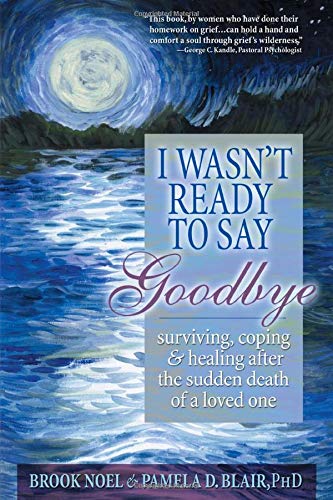
This book might help too!
Have you ever heard of Post Traumatic Stress Disorder (PTSD)? This is when a traumatic life event lingers in the psyche and causes long-term distress and other life-altering symptoms. If you have experienced a sudden death incident, you may well be suffering from this disorder.
In the case of traumatic death, it may help to initially have some short-term crisis intervention or trauma counseling by a professional experienced in grief intervention, to help head off PTSD.